

Alberta 
Why these Albertans are concerned about the environmental impacts of a proposed C02 pipeline
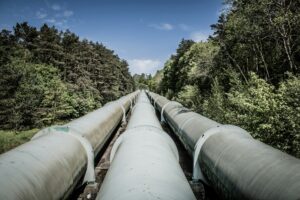 There is a debate surrounding the proposed Pathways carbon capture and storage (CCS) project in Alberta, which would transport carbon dioxide emissions from oil sands facilities near Fort McMurray through a 400-kilometre pipeline to an underground storage site near Cold Lake. While the Alberta and federal governments, along with major oil companies, view the project as a way to significantly reduce greenhouse gas emissions, many local residents remain concerned about potential environmental risks. Community members and environmental advocates question the safety of underground carbon storage, the possible impacts on groundwater, and whether taxpayers and nearby communities will benefit from the project. They also argue that there is not enough research to guarantee the long-term safety of large-scale CCS.
From the perspectives of researchers, industry representatives, and government officials, who acknowledge that risks exist but emphasize that carbon capture technology has been used before and that strict monitoring, scientific research, and regulatory oversight are designed to minimize those risks. Experts note that the Pathways project would be one of the largest CCS initiatives in Canada and that its success will depend on transparent regulation, public trust, and measurable emissions reductions. Before construction can proceed, the project must complete regulatory reviews and finalize agreements between governments and industry partners.
Source: CBC
Electricity Prices for Alberta
The Alberta power pool price averaged 3.126 cents per kWh in July 2026. This price is 1.390 cents higher than last month’s average of 1.736 cents. The pool price has averaged 3.897 cents per kWh over the last 12 months.
As of July 1, 2026, the forward market was predicting electricity prices for the calendar years of 2026, 2027, 2028, 2029, 2030, and 2031. These prices are 4.173, 4.563, 6.463, 8.077, 8.532, and 8.782 cents per kWh, respectively.
Gas Prices for Alberta
Direct Energy’s gas rate for July 2026 was $1.595 per GJ in Alberta. The August 2026 rate has been set at $1.729 per GJ. Alberta gas prices have averaged $1.989 per GJ over the last 12 months.
As of August 1, 2026, the forward market was predicting gas prices for the calendar years of 2026, 2027, 2028, 2029, and 2030. These prices are 1.77, 2.22, 2.55, 2.58, and 2.57 cents per GJ, respectively.
British Columbia 
Clean Energy Association of B.C. Celebrates Historic Step in Utility-Scale Battery Storage, Urges Expanded Private-Sector Partnership to Fill B.C.’s Capacity Gap
The Clean Energy Association of British Columbia (CEBC) supports for the Province of British Columbia and BC Hydro’s announcement of the province’s first utility-scale Battery Energy Storage System (BESS), a 100 MW facility on Vancouver Island. The project, along with plans for 500 MW of battery storage under BC Hydro’s Powering Growth Plan, is expected to improve grid reliability, modernize the electricity system, and help meet the province’s increasing demand for clean energy. CEBC describes battery storage as a cost-effective and quickly deployable technology that can strengthen British Columbia’s energy infrastructure. There is also an emphasis on CEBC’s recommendation that future battery storage projects be developed through competitive procurement and partnerships between First Nations and the private sector. According to the association, this approach would attract investment, create high-skilled jobs, lower costs for ratepayers, and help address the province’s projected electricity capacity shortfall by 2030. CEBC expressed its commitment to working with government, BC Hydro, and Indigenous communities to support the successful expansion of battery energy storage and advance British Columbia’s clean energy future.
Source: Clean Energy BC
Ontario 
‘Ludicrous’ Alberta-Ontario Pipeline Fuels Climate Anxiety as Wildfires Rage Across the Country
 Critics argue that the proposed Northern Shield Energy Corridor project, a planned 3,300-kilometre pipeline connecting Alberta to Ontario lacks important details, including confirmed private investors, cost estimates, and a clear timeline, making its feasibility uncertain. They also question whether building a major oil pipeline is appropriate as Canada experiences worsening heatwaves, wildfires, and air pollution linked to climate change. Experts suggest that expanding pipeline capacity could increase oilsands production and greenhouse gas emissions, while global demand for oil is expected to decline in the coming decades. There are also concerns about the project’s economic and policy justification. Energy analysts argue that true energy security would be better achieved through investments in electrification and renewable energy rather than expanding fossil fuel infrastructure. They note that the absence of private-sector support raises doubts about the project’s financial viability and question whether public funds should be used to support it. Overall, the article presents the Northern Shield Energy Corridor as a controversial proposal, with critics advocating for investments in cleaner energy solutions that they believe would provide greater long-term economic and environmental benefits.
Source: Press Progress
Saskatchewan 
Clean energy advocates call on Saskatchewan government to choose renewable energy, not nuclear power
The Saskatchewan Environmental Society (SES) and the Coalition for a Clean Green Saskatchewan (CCGS) are urging the provincial government to abandon its plans for nuclear power and instead invest in renewable energy, battery storage, energy efficiency, grid improvements, and stronger interprovincial electricity connections. The organizations argue that small modular nuclear reactors (SMRs) are too expensive, take too long to build, and pose long-term environmental and health risks. They also point to rising costs and delays experienced by recent nuclear projects in Canada and the United States as evidence that nuclear power would place a significant financial burden on SaskPower and electricity consumers. The group highlights support for expanding wind and solar energy, particularly Indigenous-led renewable projects, as a more affordable and practical alternative. According to SES and CCGS, renewable energy combined with battery storage can deliver more electricity for the same level of investment while creating jobs, supporting economic reconciliation, and avoiding radioactive waste and potential environmental contamination. The organizations conclude by calling on the Saskatchewan government and SaskPower to adopt a renewable energy strategy that is cost-effective, reliable, and based on the province’s abundant wind and solar resources.
Source: Saskatchewan Environmental Society
Manitoba 
Manitoba Hydro’s energy plan set to be scrutinized
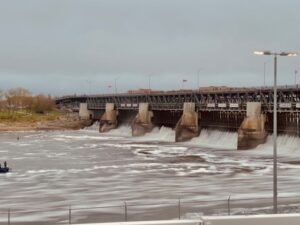 Manitoba Public Utilities Board (PUB) has begun hearings to review Manitoba Hydro’s 10-year integrated resource plan, which aims to address growing electricity demand, aging infrastructure, and a projected energy shortfall. The plan proposes building three natural gas-powered combustion turbines in Brandon, capable of generating 750 megawatts by 2030, alongside Indigenous-owned wind farms producing 600 megawatts by 2035. Manitoba Hydro argues that the turbines are the most reliable and cost-effective way to meet peak winter electricity demand, support renewable energy projects during periods of low generation, and maintain grid reliability while working toward a net-zero electricity system by 2035. Concerns have been raised by consumer advocates, environmental organizations, and Indigenous groups participating in the hearings. Critics argue that Manitoba Hydro may be planning more generating capacity than necessary and question whether the proposed gas turbines represent the lowest-cost and most environmentally responsible solution. They advocate for greater consideration of renewable energy, battery storage, and energy conservation measures, while expressing concerns about greenhouse gas emissions, health impacts, and the corporation’s growing debt. The PUB will review the evidence and provide recommendations to the provincial government on the proposed projects and Manitoba Hydro’s long-term energy strategy.
Source: Winnipeg Free Press
New Brunswick 
Premier touts N.B. as energy powerhouse but there’s debate over how to produce it
New Brunswick Premier Susan Holt discussed efforts to promote the province as an energy leader during the premiers’ meeting in Charlottetown. Holt highlighted New Brunswick’s diverse energy system, including nuclear power, hydroelectricity, and regional transmission connections, as key assets for supporting economic growth and meeting rising electricity demand. She also expressed openness to attracting large AI data centres, provided they do not increase electricity costs for residents. NB Power has indicated that electricity demand is growing faster than expected, making expansion of the province’s energy capacity increasingly necessary. There are differing opinions on how New Brunswick should meet future energy needs. Supporters of nuclear energy argue that it provides reliable, low-carbon electricity and is essential for replacing coal-fired generation while maintaining grid stability. In contrast, environmental groups advocate for expanding renewable energy sources such as wind and solar, raising concerns about the environmental impacts of nuclear power, hydroelectric development, and energy-intensive AI data centres. The article concludes that while there is broad agreement on the need for additional electricity, debate continues over the most sustainable and cost-effective path forward.
Source: Global News
Prince Edward Island 
Canada invests in the Prince Edward Island–New Brunswick Interconnection Expansion Project
 The Government of Canada is investing $5.9 million to support the Prince Edward Island–New Brunswick Interconnection Expansion Project, an initiative aimed at strengthening the electricity grid in Atlantic Canada. The funding will support engineering studies, environmental assessments, Indigenous and stakeholder engagement, regulatory work, and preliminary design activities in preparation for construction, which is expected to begin by 2028. The project will add two new 200-megawatt submarine transmission cables between Prince Edward Island and New Brunswick, along with upgrades to transmission infrastructure and substations, improving the reliability and capacity of the regional electricity system. The project is part of Canada’s broader strategy to modernize and expand its electricity infrastructure as demand is expected to double by 2050. Federal and provincial leaders describe the enhanced interconnection as essential for strengthening energy security, supporting economic growth, and maintaining affordable and reliable electricity while advancing clean energy goals. The investment is funded through the Smart Renewables and Electrification Pathways Program and aligns with national efforts to build a more connected, resilient, and low-carbon electricity grid across Canada.
Source: Government of Canada
Québec 
Quebec tables its first integrated energy resources management plan
The Government of Quebec has introduced its first Integrated Energy Resource Management Plan (PGIRE), outlining the province’s renewable energy strategy through 2050. The plan sets targets of up to 25 GW of wind power and 5 GW of solar power to help meet an overall energy goal of 150 TWh by 2050. Developed in collaboration with Hydro-Québec and natural gas distributors, the PGIRE provides a long-term framework for energy planning that addresses electricity supply, energy efficiency, infrastructure development, and the province’s economic, environmental, and social objectives as electricity demand continues to grow. The Canadian Renewable Energy Association’s (CanREA) support for the plan, emphasizing that wind, solar, and energy storage are among the most affordable and rapidly deployable sources of new electricity generation. CanREA states that achieving the province’s renewable energy targets will require predictable procurement processes, expanded transmission infrastructure, and continued investment in energy storage to improve grid reliability. The association also notes that the expansion of renewable energy is expected to support economic growth, create jobs, strengthen partnerships with municipalities and Indigenous communities, and advance Quebec’s transition to a cleaner energy system.
Source: Environment Journal
Newfoundland and Labrador 
Newfoundland Government Should Reform Policy to Help Unlock Massive Natural Gas Potential – Fraser Institute
The Newfoundland and Labrador government has made efforts to promote offshore natural gas development, highlighting the economic potential of the Jeanne d’Arc Basin, which is estimated to contain 27.6 trillion cubic feet of natural gas worth tens of billions of dollars. The government has announced initiatives to evaluate offshore gas opportunities, develop an energy plan, conduct feasibility studies, and consult on a royalty framework. These steps could create significant economic benefits, including high-paying jobs, but that further policy changes are needed to attract investment and fully develop the resource. There are challenges faced by Newfoundland and Labrador in competitiveness in the energy sector. Investors have raised concerns about regulatory uncertainty, environmental approval processes, land claim issues, taxation, and government debt. The report suggests that improving the province’s regulatory and fiscal environment would help attract global energy companies and increase investment in offshore gas development. While recognizing the opportunity created by the government’s focus on natural resources, the article emphasizes that stronger policies will be necessary to make the province more competitive.
Source: Energy Now
Nova Scotia
New wind energy project expected to lower greenhouse gas emissions significantly
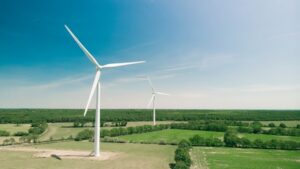 The Ocean Lake Wind Project in Guysborough County, Nova Scotia, has received environmental approval and is expected to begin construction in 2029. The project will include 158 wind turbines and will be the largest wind energy development approved in the province to date. Once completed, it is expected to generate approximately 1,264 megawatts of clean electricity, enough to power about 400,000 homes, while reducing greenhouse gas emissions by an estimated 1.94 million tonnes annually. The project is also expected to provide significant economic benefits, including hundreds of construction jobs, permanent operations positions, and increased tax revenue for the local municipality. The project is being developed by EverWind NS Holdings Ltd. and Membertou Development Corp. and will support broader clean energy initiatives, including EverWind’s green hydrogen and ammonia development at Point Tupper. The first phase of that project is expected to cost $2 billion and will use electricity from previously announced wind farms, while the Ocean Lake project will help support future expansion. Developers must meet 61 environmental and health-related conditions as part of the approval process to ensure the project minimizes impacts while contributing to Nova Scotia’s clean energy transition.
Source: City News
Nunavut 
$7-million worth of federal renewable energy funding to assist projects in all three territories
The federal government is investing $7 million in eight renewable energy projects across Nunavut, the Northwest Territories, and Yukon. The funding will support a variety of clean energy initiatives, including wind power development in Baker Lake, solar installations in Chesterfield Inlet and Resolute Bay, a hybrid renewable-diesel microgrid in Arviat, and renewable energy research projects in Yukon. The investments are intended to reduce northern communities’ reliance on diesel fuel while expanding local renewable energy capacity. The projects include partnerships with Indigenous organizations, municipalities, research institutions, and private companies to develop community-led energy solutions. Federal officials emphasized that these investments will strengthen energy independence, support Indigenous leadership in the transition to cleaner energy, and improve the reliability and sustainability of power systems in remote northern regions. The funding comes through Natural Resources Canada programs focused on renewable energy and electrification in rural and remote communities.
Source: Nunavut News
Northwest Territories 
Dene Nation signs water protection pact with Alberta Treaty 8
 First Nations on either side of the NWT-Alberta border say they will jointly defend the waters that connect their territories, from the oil sands to the Arctic coast. The Dene Nation and Treaty 8 First Nations of Alberta have signed a memorandum of understanding to jointly protect and manage shared waters connecting their territories from the Alberta oil sands region to the Arctic coast. The partnership recognizes water as a living and spiritual relative and commits the groups to Indigenous-led monitoring, Guardian programs, and advocacy for stronger accountability from governments and industries. Their priorities include assessing oil sands tailings ponds, addressing pollution risks, and protecting ecosystems and community health throughout the Mackenzie River Basin. The agreement also calls for greater Indigenous involvement in water decision-making, including reforms to regional water management agreements and reviews of policies related to resource development. The groups expressed concerns about potential impacts from tailings ponds, inter-basin water transfers, hydroelectric projects, lithium development, and proposed nuclear facilities. The partnership builds on previous efforts to strengthen Indigenous oversight of water protection and will be reviewed annually to support long-term collaboration and environmental stewardship.
Source: Cabin Radio
Yukon 
Ottawa funds northern clean‑energy projects as Yukon faces rising grid strain
The federal government has announced nearly $7 million in funding for eight clean energy projects across Yukon, Nunavut, and the Northwest Territories. The investments, announced at Yukon University, are part of Canada’s broader effort to expand and modernize the electricity grid in preparation for rising demand. In Yukon, key projects include a $2.8-million clean energy research initiative at Yukon University focused on northern grid solutions and a biomass heating feasibility study in downtown Whitehorse aimed at improving local energy security and exploring alternatives to traditional energy sources. There are growing concerns about Yukon’s electricity capacity as demand increases due to population growth, electric heating, and potential industrial development. Yukon officials warned that extreme cold, equipment failures, and record demand have placed pressure on the grid, creating concerns about future reliability. While federal representatives emphasized the importance of renewable energy, energy efficiency, and stronger grid connections, Yukon leaders stressed the need for immediate action to expand clean electricity supply and address the territory’s urgent energy challenges.
Source: Yukon News